
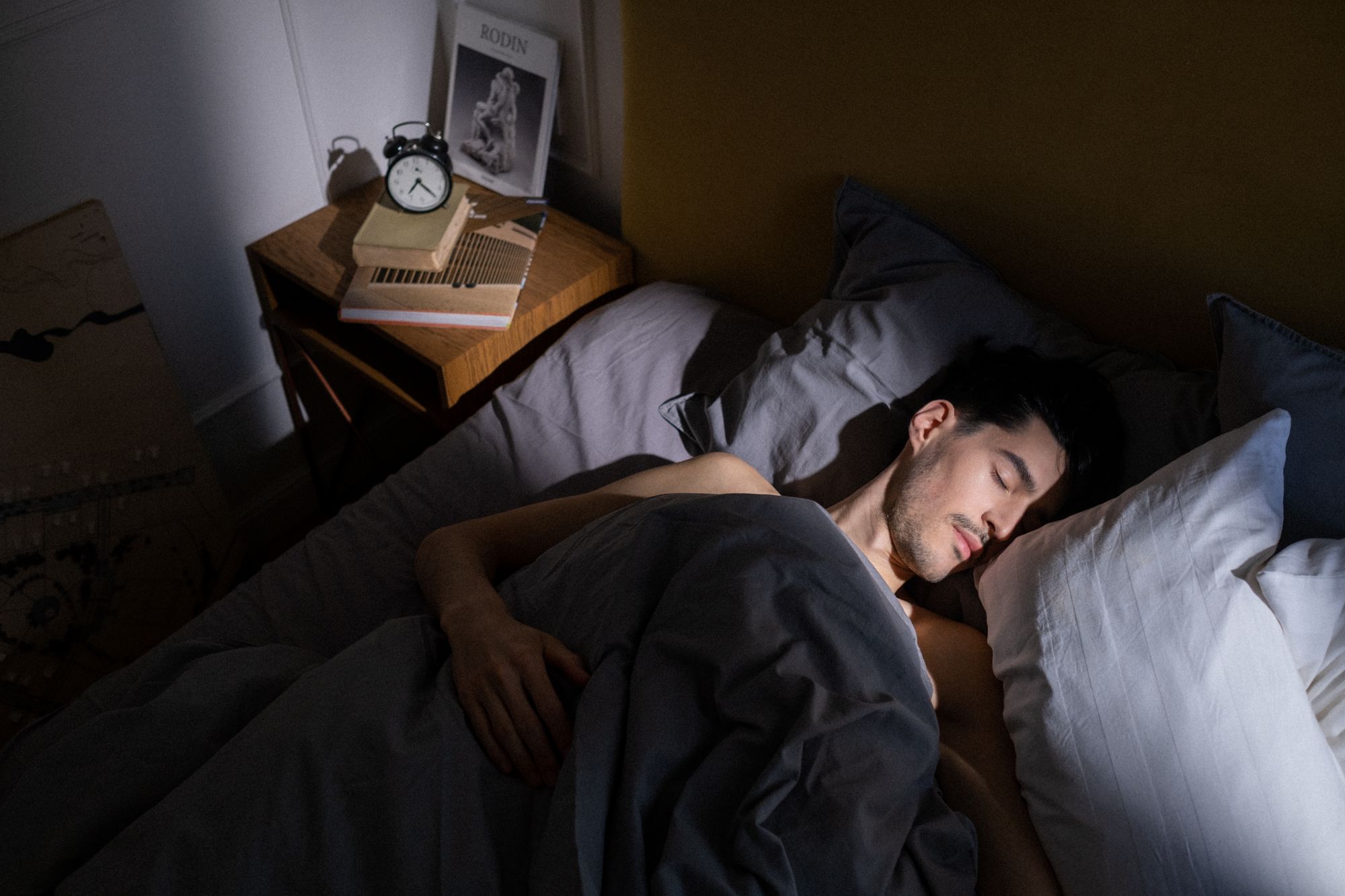
Snoring is very common, and for most people it isn’t caused by anything serious. Still, it can wreck a good night’s sleep for you and anyone within earshot. The good news is that a few simple changes, like sleeping on your side, easing off alcohol in the evening and tackling a blocked nose, help many people snore less. Here’s how to stop snoring, or at least turn the volume down, plus the signs that mean it’s time to see your GP.
Quick answer
- Sleep on your side rather than your back.
- Avoid alcohol in the few hours before bed, and avoid large meals late at night.
- If you’re carrying extra weight, losing some may help.
- Treat a blocked nose, and keep dust mites down by hot washing your bedding every week.
- See your GP if you snore loudly and also gasp, choke or stop breathing in your sleep, or feel very sleepy during the day.
Why do people snore?
Snoring is the sound of parts of your airway vibrating as you breathe. When you fall asleep, the muscles in your tongue, mouth and throat relax, and your airway narrows. Air moving through that narrower space makes the soft tissue rattle, and that’s the noise your partner hears. It can come from the throat, the mouth or the nose (NHS; Healthify).
Some things make snoring more likely. According to the NHS and Healthify He Puna Waiora, you’re more likely to snore if you:
- are overweight
- drink alcohol, especially in the evening
- smoke
- sleep on your back
- have a blocked nose, for example from a cold or allergies
- have a low soft palate or large tonsils or adenoids.
Anyone can snore, but Healthify notes it’s most common between the ages of 40 and 60. Occasional snoring during a cold is very different from loud, nightly snoring, and it’s worth knowing which one you’re dealing with. A partner, or a snore recording app on your phone, can tell you how often it happens and whether it changes with your sleep position.
Sleep position: try sleeping on your side
If you mostly snore on your back, changing position is one of the easiest things to try. When you lie on your back, your tongue can fall back towards your throat and narrow your airway (Mayo Clinic). Lying on your side keeps that space more open, so both the NHS and Healthify list side sleeping as a first step.
The hard part is staying on your side once you’re asleep. These tricks can help:
- The tennis ball trick. Sew a sock or pocket onto the back of your pyjama top and pop a tennis ball inside, so rolling onto your back feels uncomfortable (Healthify; NHS).
- A pillow or bolster behind you. A long pillow along your back makes it harder to roll over (Healthify).
- Raise your head a little. Mayo Clinic suggests raising the head of the bed by about 10 cm may help. Some people find an adjustable base or a raised head position helps, but it doesn’t work for everyone.
Your pillow matters for comfort too. It should keep your head and neck in line with your spine while you lie on your side. Our guide on how to choose a pillow covers heights and fillings.
Alcohol and evening habits
Alcohol relaxes the muscles in your throat, which makes the airway more likely to narrow and vibrate. Mayo Clinic advises avoiding alcohol for at least two hours before bed, and Healthify suggests avoiding alcohol and caffeine immediately before going to bed. If you notice you snore more after a few drinks at a barbecue or a Friday night out, that’s why.
A few other evening habits are worth a look:
- Late, heavy meals. Healthify recommends avoiding large meals just before bedtime.
- Sleeping tablets and sedatives. These can make snoring worse (NHS; Mayo Clinic). Don’t stop a prescribed medicine on your own, but do mention your snoring to your GP or pharmacist.
- Smoking. Smoking makes snoring more likely, and stopping may reduce it (NHS; Mayo Clinic). Quitline and your GP can help if you want to stop.
- Being overtired. Mayo Clinic lists avoiding sleep deprivation as one of its lifestyle steps. If you’re not sure how much sleep you need, read why get 8 hours sleep.
Weight
Carrying extra weight can add tissue in the throat and make it narrower. Mayo Clinic notes that losing weight can help reduce snoring, and both the NHS and Healthify list losing weight, if you’re overweight, as a lifestyle change that may help.
This doesn’t mean everyone who snores needs to lose weight. Plenty of slim people snore, and plenty of larger people don’t. If you’d like support with weight, your GP or practice nurse is a good place to start, and they can also check whether anything else is going on. Small, steady changes to food, drinks and activity tend to be easier to keep up than a crash diet.
Nasal congestion, allergies and dust mites
If your nose is blocked, you’re more likely to breathe through your mouth, and mouth breathing makes snoring more likely. Mayo Clinic lists allergies and a deviated septum among the causes of limited airflow through the nose, and the NHS lists a blocked nose as a common cause of snoring.
In New Zealand, house dust mites are a big player. Healthify says dust mite allergy is the most common cause of year-round allergy symptoms, and that dust mites may be more common here than in most other countries because of our climate. Symptoms include a runny or blocked nose, sneezing and sinus congestion all year-round.
Bedding hygiene and pillows
You can’t get rid of dust mites completely, but Healthify suggests these steps to cut their numbers:
- Wash sheets, pillowcases and duvet covers once a week on a long, hot wash above 60°C.
- Use dust mite covers on your bedding.
- Keep the bedroom dry and well ventilated, open windows when you can, and deal with any mould.
- Avoid drying washing indoors, and don’t use a humidifier in the bedroom.
- Keep pets out of the bedroom, and don’t eat on the bed.
- Clean the bedroom with a damp cloth and mop rather than sweeping.
Pillows collect dust and skin flakes too. Check the care label: many pillows can be washed, and if yours is flat, lumpy or can’t be washed, it may be time for a new one. For more on keeping mites in check, see are you sharing your bed with 100,000+ dust mites?
If your nose stays blocked for weeks, or you think you have hay fever or a dust mite allergy, talk to your GP or pharmacist. A skin prick or blood test can show whether dust mites are the trigger, and they can talk you through treatment options (Healthify).
When to see a GP
Most snoring is harmless. But loud snoring can sometimes be a sign of obstructive sleep apnoea (OSA), a condition where your airway narrows or closes during sleep, so your breathing stops or becomes shallow until your brain wakes you briefly to start it again (Healthify; NHS). Healthify notes it usually involves snoring and leads to disrupted sleep and daytime sleepiness.
See your GP if you have any of these signs
- You snore loudly and you gasp, choke or snort in your sleep.
- Someone has noticed you stop breathing, or your breathing stops and starts, while you sleep.
- You feel very sleepy or tired during the day, even after a full night in bed.
- Your snoring is having a big impact on your life, or your partner’s.
These may be signs of obstructive sleep apnoea, which can be serious if it isn’t treated (NHS; Healthify). Take a partner along if you can, as they can describe what happens at night (NHS).
In New Zealand, your GP is the usual first step. They’ll ask about your sleep and examine your nose, mouth and throat (Healthify). Depending on what they find, they may refer you to a sleep service or an ear, nose and throat (ENT) specialist for further assessment, which can include a sleep study (Healthify; Mayo Clinic). How this works, and how long it takes, varies between regions.
If you’re often very sleepy during the day, mention it to your GP, as it’s one of the things they’ll want to know about (Healthify). And if a child snores regularly, see your doctor too (Healthify).
Frequently asked questions
Is snoring bad for you?
Usually not. Simple snoring is very common and often harmless, although Healthify notes some evidence links even simple snoring with other health problems. Snoring with gasping, choking, pauses in breathing or daytime sleepiness should be checked by a GP, as it can be a sign of obstructive sleep apnoea (NHS).
Does sleeping on your side stop snoring?
It helps many people, especially those who mainly snore on their back. Side sleeping keeps the tongue from falling back into the throat (Mayo Clinic). It won’t work for everyone, so if it doesn’t help, try the other steps in this guide or talk to your GP.
Why do I snore more after drinking?
Alcohol relaxes the muscles in your throat, so your airway narrows more easily while you sleep (Mayo Clinic). Avoiding alcohol for a few hours before bed can make a difference.
Can a blocked nose make you snore?
Yes. A blocked nose from a cold or allergies can push you to breathe through your mouth, which makes snoring more likely (Mayo Clinic; NHS). In NZ, dust mites are a common year-round trigger (Healthify).
Do anti-snoring devices work?
Treatment depends on what’s causing your snoring, so it’s best to get advice before buying anything. Mayo Clinic says most anti-snoring products haven’t been proven effective in clinical trials. Your GP, or a dentist if they refer you, can talk you through options that suit your situation (NHS).
Should I worry if my child snores?
Noisy breathing during sleep is common in children, but regular snoring can be a sign they’re having trouble breathing. Healthify advises seeing your doctor if your child snores regularly.
Tips for the partner lying awake
Snoring affects two people, and it’s not anyone’s fault. While the snorer works on the steps above, these ideas can help the person lying awake get some rest:
- Earplugs. The NHS suggests a partner could try earplugs. Foam or soft silicone types are easy to find at a pharmacy.
- Background sound. A fan or other steady background noise can help mask snoring (Mayo Clinic).
- Go to bed first. If you can fall asleep before the snoring starts, you may sleep through more of it.
- Talk about it in the daytime. A calm chat over breakfast tends to go better than a nudge at 2am. If you’ve noticed gasping or pauses in breathing, gently suggest a GP visit.
Sleeping apart, sometimes called a sleep divorce, is another option, and it doesn’t have to mean anything about your relationship. Some couples sleep in separate rooms most nights and share on weekends. Others use separate rooms only when snoring is bad, such as when one of you has a cold. Our article on partner disturbance has more ideas for sharing a bed when you sleep differently.
Setting up a bedroom that works for two
If you share a room, a few practical details can make nights easier for both of you: enough space that you’re not bumping each other, separate duvets if you run at different temperatures, and bedside lighting that lets one person read while the other sleeps. Some couples choose a larger bed, while others prefer two beds in the same room. If you’d like to lie on a Dreamland bed before you decide, the stockist finder shows which stores near you carry each range.
Sources
NHS, Snoring; NHS, Sleep apnoea; Healthify He Puna Waiora, Snoring; Healthify He Puna Waiora, Obstructive sleep apnoea; Healthify He Puna Waiora, Allergy: dust mites; Mayo Clinic, Snoring: diagnosis and treatment.
This article is general information, not medical advice. If you’re worried about your snoring or your sleep, talk to your GP.
By Jo, 8 Hours
Last updated: 6 November 2026
8 Hours is owned and published by NZ bedding company Dreamland, and our articles include links to Dreamland. We aim to give advice that is useful whichever brand you choose.