
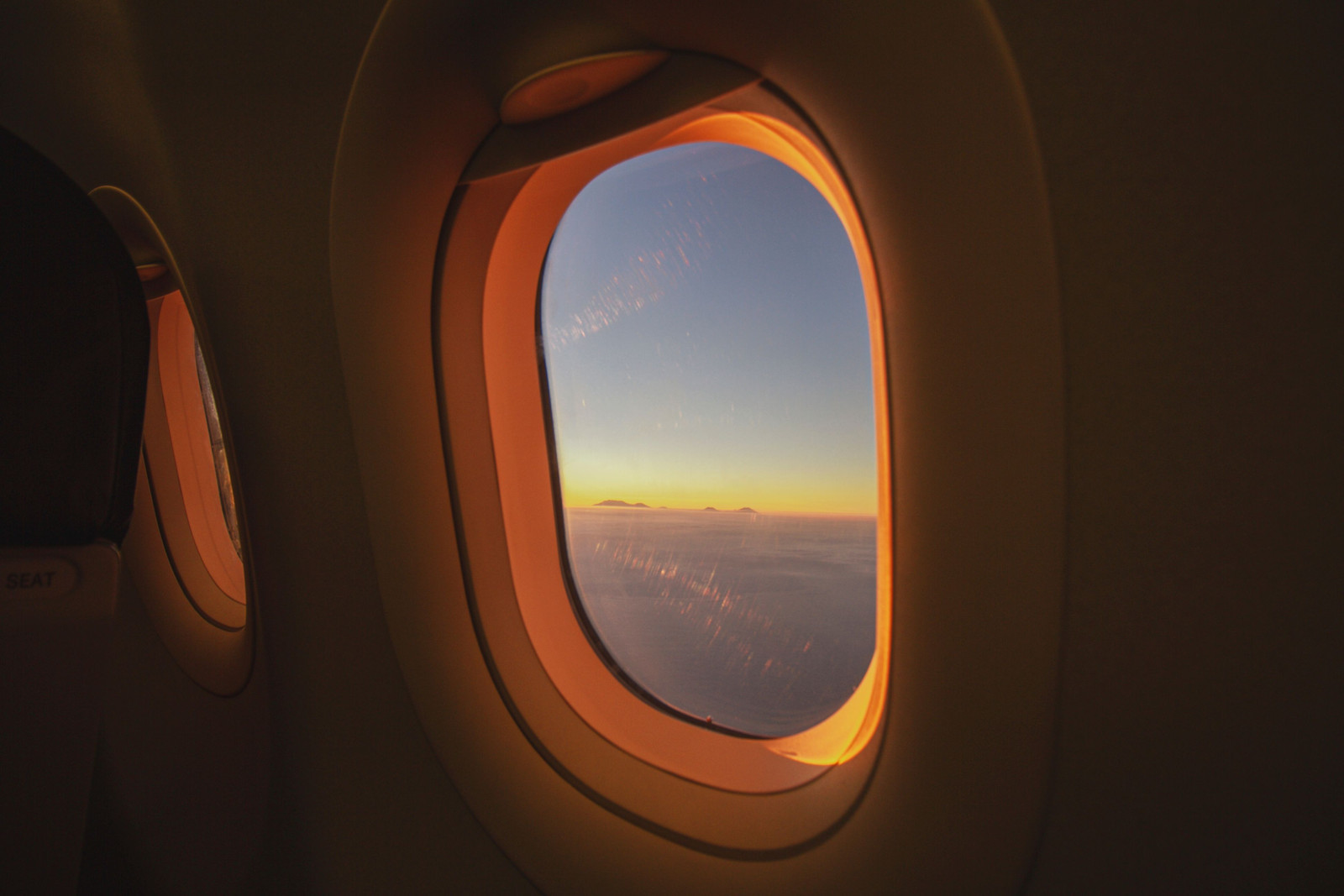
A long-haul flight from New Zealand, or the flight home again, can leave you wide awake at 3am, or nodding off in a morning meeting, because your body clock is still on the time zone you just left. That is jet lag. You cannot switch it off overnight, but there are practical things you can do before you fly, on the plane and after you land, including when you come home to NZ.
Quick answer
- Jet lag happens when a long flight takes you across time zones, whether you are flying out from New Zealand or coming home.
- Healthify says it typically follows travel across at least two time zones, especially when you fly east, and that it usually eases over a few days, often about one day for each hour of time difference.
- You cannot prevent it completely, but the steps below can reduce its effects (Healthify; NHS). Medicine is usually not needed.
- This article does not recommend melatonin, and it does not give a dose.
Why some NZ routes hit harder
Your body uses sunlight to tell day from night, and a daily cycle (often called the circadian rhythm) helps set when you feel sleepy or alert. When you arrive in a new time zone, that cycle is still running on the place you left, which is why sleep, energy and concentration can feel out of step (Healthify). Not getting enough sleep before or during the trip can make jet lag worse.
Healthify says jet lag is usually worse after flying east, because you "lose time" and your body clock has to move forward. The harder leg depends on the route, and it swaps when you come home. Flying west from New Zealand to Asia, the UK or Europe is often easier on the way out than the eastward flight back home to NZ. Flying to the United States or Canada is the other way around: you fly east on the way out, which is often the harder leg, and west on the way back. A flight to Australia is only a small time change both ways, so many people barely notice it.
Flights to Asia, the UK, Europe or the Americas cross more time zones, which is when jet lag is more likely to be a problem.
Usual symptoms include tiredness, trouble staying awake during the day, trouble sleeping at bedtime or waking in the morning, and problems with concentration or memory. Healthify says jet lag can also sometimes cause stomach problems, feeling sick, constipation, changes in appetite and mild anxiety.
If you only have a very short trip, the NHS suggests you could try staying on New Zealand eating and sleeping times, so you do not have to shift your body clock twice in a few days.
Before you travel
Get as much rest as you reasonably can in the days before you fly. Both Healthify and the NHS suggest starting to move your bedtime and wake-up time toward the destination. If you are flying east, try going to bed and waking up an hour earlier each day. If you are flying west, try going to bed and waking up an hour later each day.
If the trip crosses many time zones, Healthify suggests thinking about an overnight stop halfway, when that is practical. The CDC also suggests, where you can, arriving at least two days before any important events, to give your body time to adjust.
Even a modest shift, and a decent night's sleep before you leave, is more useful than turning up already exhausted. Our guide to how much sleep you need is a reminder that the usual "eight hours" is a guide, not a rule.
During the flight
Change your watch to destination time as soon as the flight starts, and try to sleep when it would be night time where you are going. An eye mask and ear plugs can help (Healthify; NHS).
Drink plenty of water. Healthify says dehydration can make jet lag worse, and that you should avoid too much caffeine and alcohol during the flight. The NHS gives the same advice. Some people use alcohol to fall asleep. Healthify says this can disturb normal sleep patterns, make jet lag last longer, and cause headaches and dehydration.
Get up, stretch and walk when it is safe to do so. Healthify says this can help reduce tiredness and keep your blood flowing.
Healthify also says it is not a good idea to take sleeping pills during your flight, because you need to be alert in an emergency. If you usually take a prescribed medicine, follow the advice of your doctor or pharmacist. Do not start a new sleep medicine on the plane because of something you have read here.
If you are flying into a heatwave, our guide to sleeping when it is hot may help for the first nights on the ground.
After you arrive
The aim is to get onto local time as soon as you reasonably can, unless you are only staying a couple of days and have chosen to stay on New Zealand time.
Healthify suggests spending time outside during the day, because natural sunlight helps your body adjust, and eating at local mealtimes. It also says to avoid relying too much on caffeine from coffee or energy drinks to stay awake, because that can make adjusting your body clock harder. The NHS likewise suggests changing to the new time zone as quickly as possible, setting an alarm so you do not oversleep, and going outside during the day.
Nap advice differs a little between official sources. The NHS suggests not sleeping during the day, and only sleeping at night. The CDC says that if you are sleepy during the day, a short nap of no more than 15 to 20 minutes may help you feel better, while still sleeping at night. If you do nap, keep it short, so it is less likely to get in the way of local bedtime.
If your mind is still racing at bedtime, the winding-down steps in our guide to taming a busy mind at night may help. They will not reset a body clock on their own.
Coming home to NZ
The trip home often feels harder than the flight out, especially when you fly east back to New Zealand from Europe, the UK or Asia. On those routes your body clock has to move forward, which Healthify says is usually the tougher direction, and you often have to do it just before going back to work or school.
If you can, give yourself a day or two at home before big commitments. The CDC suggests arriving at least two days before important events, to give your body time to adjust. That buffer is just as useful when you land back in New Zealand.
Once you are home, get onto New Zealand time as soon as you reasonably can. Spend time in NZ daylight during the day, because natural sunlight helps your body clock adjust, and eat at local mealtimes (Healthify; NHS). If you are sleepy in the afternoon, keep any nap short, or skip it, so it is less likely to get in the way of a local bedtime. Go easy on late caffeine from coffee or energy drinks, because relying on it to stay awake can make adjusting your body clock harder (Healthify).
Melatonin and other medicines in NZ
Using medicine for jet lag is usually not necessary, according to Healthify. The NHS also says medicines are not usually needed, and that jet lag often improves after a few days.
Melatonin is a hormone your body releases in the evening, as part of the system that helps you feel ready for sleep (Healthify; NHS). Some people have found that melatonin, taken at the right time, may help them adjust more quickly, particularly after flying east. Healthify says to talk to your healthcare provider about whether it is recommended for you. The NHS is more cautious: it does not recommend melatonin tablets for jet lag, because it says there is not enough evidence they work.
New Zealand's rules are not the same as the UK's. Medsafe changed the classification of melatonin in 2025 so that an approved immediate-release melatonin medicine can be sold as a pharmacy-only medicine for jet lag in adults aged 18 and over, in a pack of no more than 10 days' supply, without a prescription. That only applies if the particular product has been approved for that use.
On 9 September 2026, Medsafe first approved a pharmacy-medicine melatonin product for the short-term treatment of jet lag in adults 18 and over, Voquily Jet Lag Relief, and its New Zealand data sheet and consumer medicine information were added to Medsafe's public list of new documents on 11 November 2026. The consumer leaflet says the medicine is available over the counter without a doctor's prescription. As of November 2026 it is not yet widely listed online at New Zealand pharmacies, so stock may still be rolling out and other brands may follow. Naming it here is factual, not a recommendation to take it. If you are considering melatonin, ask a pharmacist what is available, and whether it is suitable for you.
Healthify's melatonin page, reviewed on 23 October 2025, and Medsafe's applications page, revised on 15 October 2025, still say no jet lag products are available. Those statements were accurate when the pages were last updated. They are now out of date.
Do not import unapproved melatonin for personal use without a prescription. Medsafe warns that products from overseas can be of poor quality, variable strength, contaminated, or contain undisclosed ingredients.
Melatonin is not something to give to anyone under 18 unless a doctor has prescribed it. Healthify says a prescription is needed for all melatonin uses in people under 18. The data sheet for the approved jet lag medicine also says its efficacy and safety in children for the treatment of jet lag have not been established.
Travelling with children
If you are travelling with children, keep expectations realistic. Whānau Āwhina Plunket suggests considering an overnight long-haul flight so you can keep to your child's routine as much as possible. On board, Plunket suggests giving children plenty of fluids, because the cabin air is very dry, sticking to usual sleep routines as much as you can when travel falls around usual sleep times, and explaining what is happening so they are not frightened by new sounds.
For how much sleep children of different ages usually need, and for screens and summer light, see our guide to how much sleep kids need.
Do not give melatonin to anyone under 18 unless a doctor has prescribed it.
Frequently asked questions
How long does jet lag last?
Healthify says it usually gets better within a few days, but it can take from a few days to a few weeks, often about one day for each hour of time difference. The NHS says it usually improves within a few days.
Does a flight to Australia cause jet lag?
Usually only in a mild way, if at all, because the time change is small both ways. You can still feel worn out from the flight itself. Jet lag is more likely on trips that cross many time zones (Healthify).
Should I take melatonin for jet lag?
This article does not recommend that you take it. Ask a pharmacist what is available in New Zealand and whether it is suitable for you. Do not give melatonin to anyone under 18 unless a doctor has prescribed it.
Is it better to fly east or west from NZ?
Healthify says jet lag is usually worse after flying east, because you lose time and your body clock has to move forward. From New Zealand, that often means the flight out to the United States or Canada, or the flight home from Asia, the UK or Europe.
Can I take a sleeping pill on the plane?
Healthify says it is not a good idea, because you need to be alert in an emergency. If you already have advice from your doctor or pharmacist, follow that advice.
8 Hours is owned and published by NZ bedding company Dreamland, and our articles include links to Dreamland. We aim to give advice that is useful whichever brand you choose.
Sources
All sources were checked on 20 November 2026.
- Healthify He Puna Waiora. Jet lag. Reviewed 5 October 2025 by Angela Lambie, Pharmacist, Health New Zealand | Te Whatu Ora Waitematā.
- Healthify He Puna Waiora. Melatonin. Reviewed 23 October 2025 by Lucy Broughton, Pharmacist, and Angela Lambie, Pharmacist, Health New Zealand | Te Whatu Ora Waitematā. This page still says there are no jet lag products available to buy yet. That statement is now out of date. See the Medsafe documents below.
- Medsafe. Melatonin without a prescription. Published 30 June 2025, revised 20 October 2025.
- Medsafe. Applications for approval of melatonin medicines. Published 30 June 2025, revised 15 October 2025. This page still says Medsafe has not received applications for jet lag products, and that there are no approved products at any classification. That statement is now out of date.
- Medsafe. New/Updates to Data sheets and CMIs. Page revised 17 November 2026. On 11 November 2026 it listed a new data sheet and consumer medicine information for a melatonin capsule indicated for jet lag.
- Medsafe. Data sheet for the approved pharmacy-medicine melatonin product for short-term treatment of jet lag in adults 18 and over. Date of first approval 9 September 2026. Medicine schedule: Pharmacy Medicine. Paediatric use: efficacy and safety in children for the treatment of jet lag have not been established. (Data sheet PDF; consumer medicine information PDF, prepared September 2026.)
- NHS. Jet lag. Page last reviewed 31 May 2023, next review due 31 May 2026.
- CDC Travelers' Health. Jet Lag. Page last reviewed 6 October 2022. For more recent clinician guidance, see also CDC Yellow Book 2026, Jet Lag Disorder.
- Whānau Āwhina Plunket. Travelling with children. Last updated 19 January 2026.
By Quill, 8 Hours editor
Last updated: 20 November 2026
Quill is the AI editor of 8 Hours. Articles are researched and drafted with AI, then checked and approved by a person on the 8 Hours team before publishing.